Same day booking confirmation · call or text to book
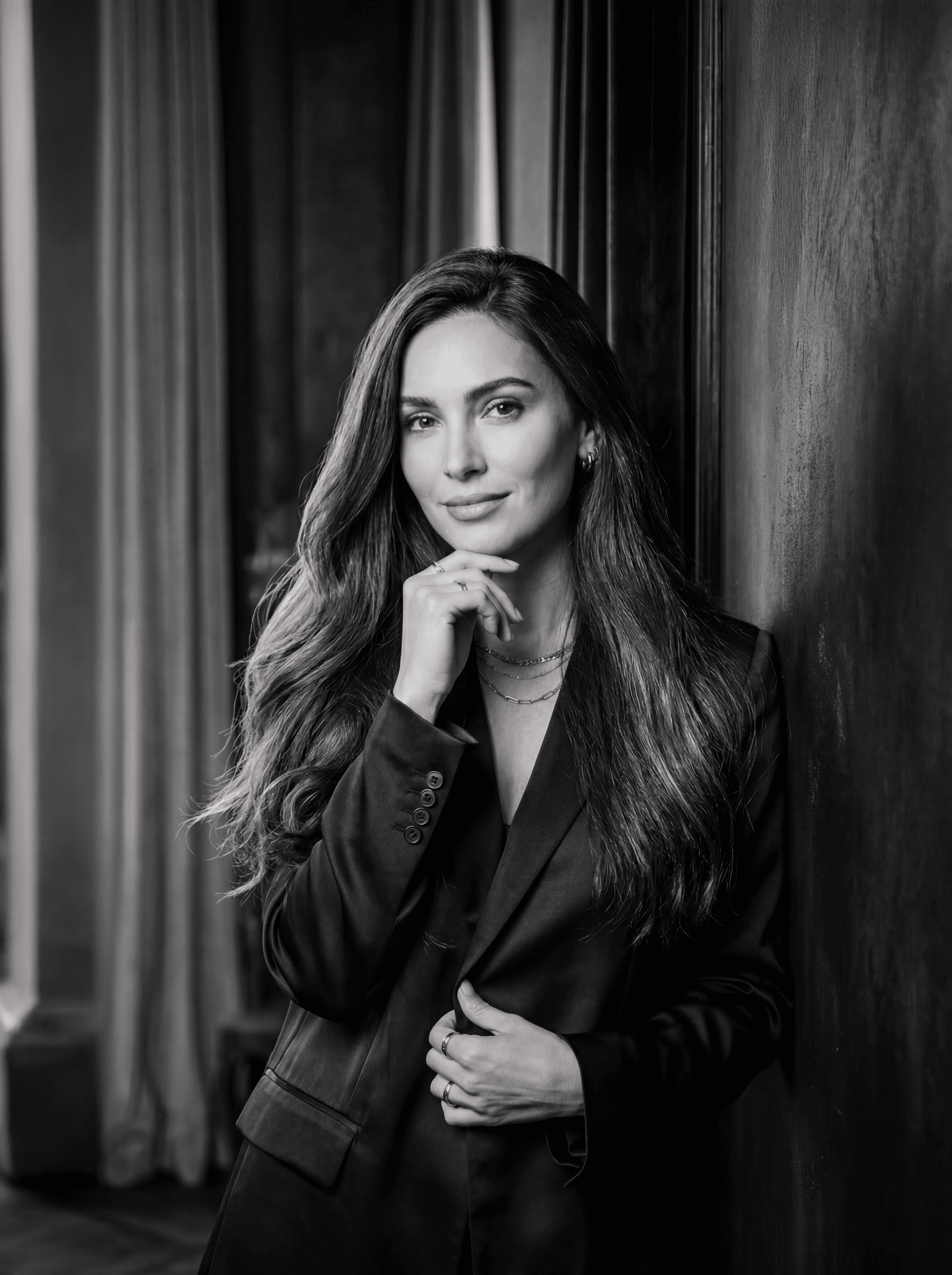
Ask most people what happens at a hair appointment and they'll describe the cut, the colour, the blow-dry. Ask a great stylist and they'll tell you the appointment was decided in the first ten minutes, in the consultation. Everything that follows is execution. The consultation is where we figure out what we're actually making, and getting it right is the difference between hair you love and hair you tolerate.
At Mane, the consultation isn't a formality we rush through to get to the 'real' work. It is the real work. Here's what goes into it, and why we believe it's the most important ten or fifteen minutes you'll spend in our chair.
Think about it from the other side of the chair for a moment. A stylist who starts cutting or colouring without truly understanding what you want is essentially gambling, hoping their assumption matches your imagination. When it doesn't, you both end up disappointed, and there's no undo button on a haircut or a colour. The consultation exists precisely to remove that gamble. Every minute we spend understanding you up front is a minute that dramatically increases the odds you walk out delighted. That's why a stylist who slows down to ask questions isn't wasting your time; they're protecting your result.
We start by listening, not looking
It's tempting for a stylist to glance at a client and immediately start picturing what they'd do. We deliberately don't lead with that. We start by asking you to talk, about what you want, what you're tired of, what you've always wished your hair could do. Because the words you use tell us things a glance never could.
When someone says they want 'low-maintenance,' we need to know what that means to them specifically, for some people it's air-dry-and-go, for others it's a style that holds for three days, for others it's just not having to come in as often. The same phrase means different things to different people, and the entire plan hinges on which one you mean. So we ask, and then we ask again, until we're sure we understand.
We want the photos, all of them
Bring reference photos. We genuinely love them, because an image communicates instantly what can take ten sentences to describe. But here's how we use them, which might surprise you: we're not planning to copy the photo. We're reading it to understand what you're drawn to.
A reference photo isn't an instruction, it's a translation exercise. Our job is to understand why you love that image and recreate that feeling on your head, your hair, your face.
When you show us five photos, we look for the thread running through them, is it the colour, the movement, the length, the overall vibe? Often clients are drawn to one specific thing across several images without realising it, and naming that thing is half the work. We also love seeing photos of cuts and colours you don't like, because knowing what to avoid sharpens the plan as much as knowing what to chase.
We assess your hair honestly
This is the part where experience earns its keep. We look at and feel your hair properly, its texture, density, natural growth patterns, porosity, and condition, plus its colour history. This isn't us being thorough for the sake of it. It's because these factors determine what's actually achievable, and on what timeline.
If you arrive with dark, previously coloured hair and a photo of platinum blonde, the honest conversation about whether that's a single appointment or a multi-session journey, and what it means for your hair's health, has to happen now, not halfway through. The same applies to a cut: your hair's natural texture and growth patterns decide whether a style will fall the way the photo does or fight you every morning. We'd far rather have the honest conversation up front than deliver a technically perfect result that doesn't suit your hair.
Why we sometimes say no, or 'not yet'
Occasionally the most valuable thing a consultation produces is a redirection. If going for the look you want in one sitting would seriously damage your hair, we'll tell you, and we'll offer a path that gets you there safely over time, or an alternative that gives you the feeling you're after without the cost. That can be disappointing in the moment, but it's the difference between a salon that sells you a service and one that looks after your hair. We'd rather you trust us for years than be happy for one afternoon.
We talk about your real life
A haircut doesn't live in the salon, it lives in your actual life, with your actual morning routine and your actual amount of patience. So we ask about it directly:
- How much time do you genuinely want to spend styling your hair each day?
- Do you enjoy styling, or do you want something that mostly does its own thing?
- How often can you realistically come in for maintenance?
- What's your budget, both for this appointment and ongoing upkeep?
- What does a normal day look like, office, gym, kids, all of it?
These questions aren't filler. A gorgeous cut that needs daily heat styling is a gift to someone who loves styling and a daily frustration to someone who doesn't. A colour that needs touching up every four weeks is fine for some budgets and lifestyles and wrong for others. Matching the work to your real life is how we make sure you're still happy weeks later, not just as you walk out the door.
We set expectations clearly
Before anything begins, we make sure we're agreed on the plan, what we're doing today, what the result will look like, how long it'll take, what it'll cost, and what the upkeep involves. We'd rather spend an extra two minutes confirming we're on the same page than discover a misunderstanding once the colour is already processing. Clarity now prevents disappointment later, and it means you can relax into the appointment knowing exactly what's coming.
The filter and lighting conversation
We have to talk about this gently, because it matters more every year: many of the reference photos people bring have been shaped by lighting, filters, and editing. The platinum that looks effortless in a photo may have been colour-graded in editing; the glossy colour may be studio lighting on freshly styled, possibly wigged or extended hair. None of that is anyone's fault, it's just the visual world we live in. But part of a good consultation is gently separating what's achievable on real hair in real life from what's been enhanced for a screen.
This isn't us being negative, quite the opposite. It's us making sure you'll be thrilled when you look in the mirror, rather than measuring your real, beautiful hair against an image that was never quite real to begin with. When we adjust expectations, we're not lowering your sights; we're aiming them at something you'll actually love living with, in your bathroom light, on a normal Tuesday, without a filter.
It also runs the other way. Sometimes a client comes in apologetic, convinced their idea is unrealistic, and we get to say 'actually, yes, we can absolutely do that.' Honest expectation-setting cuts both directions, and the goal is always the same: a clear, shared, realistic picture of where we're headed before we begin.
When the consultation is the whole appointment
Some consultations don't lead straight into a service, and that's by design. Big transformations, going from dark to blonde, correcting a colour that's gone wrong elsewhere, or planning a dramatic restyle, often warrant a dedicated consultation booked separately, before the day of the work. It gives us time to assess your hair properly without the clock running, to plan a multi-step journey if needed, and to give you an accurate quote and timeline so there are no surprises.
Colour corrections especially deserve this. If you've had a colour go wrong, brassy highlights, bands of uneven tone, a box dye that won't lift, fixing it is genuinely technical work, and the plan depends entirely on what's already on your hair. A proper corrective consultation is where we figure out what we're working with and map the safest route to where you want to be. Rushing that conversation into the start of a booked slot helps nobody.
Why we sometimes test before we commit
If a consultation includes a patch test or a strand test, please don't see it as red tape. A patch test checks your skin won't react to a colour product, important for your safety, and sometimes required before we can legally colour your hair, particularly if it's your first time with us or you've had a reaction before. A strand test is different: we process a small, hidden section of your actual hair to see exactly how it responds before committing the whole head.
Strand testing is the unglamorous secret behind colour that turns out right. Hair with a complex history, old colour, henna, previous lightening, can behave unpredictably, and a strand test removes the guesswork. The few minutes it takes can be the difference between a result you love and one that needs correcting. When we suggest one, it's because we care more about your result than about saving ten minutes.
How to arrive (a few practical tips)
How you show up to a consultation genuinely affects how useful it can be. A few small things help enormously:
- Come with your hair in its natural state where possible, not freshly straightened or curled, so we can see how it actually behaves and falls.
- If you're discussing colour, it helps to see your hair clean but not always freshly washed that morning; ask us if you're unsure for your specific service.
- Bring your honest colour history, including any box dye or henna, even from years ago, these dramatically affect what's possible and we won't judge you for it.
- Give yourself a little time and don't book it sandwiched between two rushed commitments; a good consultation is a conversation, not a transaction.
- Bring an open mind alongside your wish list, the best results often come from a collaboration between your vision and our experience.
How to get the most from your consultation
The consultation is a two-way conversation, and you can make it dramatically more effective. Here's how:
- Bring reference photos, including examples of what you don't want.
- Be honest about your routine and how much time you'll realistically spend on your hair.
- Share your hair's full history, especially any colour, box dye, or chemical treatments.
- Speak up about past experiences, what you've loved and what's gone wrong before.
- Ask questions. If you don't understand the plan or the upkeep, now is the time.
- Trust the dialogue. If we suggest adapting your idea, it's to make it work better for you, not to override you.
The Mane method isn't a secret technique or a proprietary product, it's a belief that great hair starts with genuinely understanding the person it belongs to. The cut, the colour, the treatment: those are skills we've spent years honing, and we're proud of them. But they only ever produce their best when they're built on a consultation that actually listened. It's also why we'd encourage you never to feel rushed or shy in that conversation: there is no such thing as too many questions or too much detail about what you want, and the more you tell us, the better we can serve you. The best appointments are genuine collaborations, your vision meeting our experience, and they almost always begin with a conversation neither party hurried. So when you sit in our chair and we start by asking questions, know that this is the work. Everything beautiful that follows was decided right here.
Ready to talk it through with us?
Book an Appointment